

Industries
The material problem changes by industry The intelligence compounds
Start with the decision your teams need to make now. Viridium builds the connected product and material knowledge that makes the next decision easier.
Med-Tech
Can we change this material without creating a new product risk?
 Photo: Intropin · CC BY-SA 3.0
Protect market access and evaluate design changes
Viridium connects product, component, material, supplier, chemical and evidence data so regulatory and engineering teams can work from the same product truth.
Find PFAS and other substances of concern
Identify material alternatives against design constraints
Understand change impact before qualification
Organize substance evidence for EU Medical Device Regulation reviews
Faster compliance decisions, fewer blind supplier requests and a reusable intelligence asset for every product family.
Industrial OEMs
How do we create one product-data foundation across acquired businesses, factories and systems?
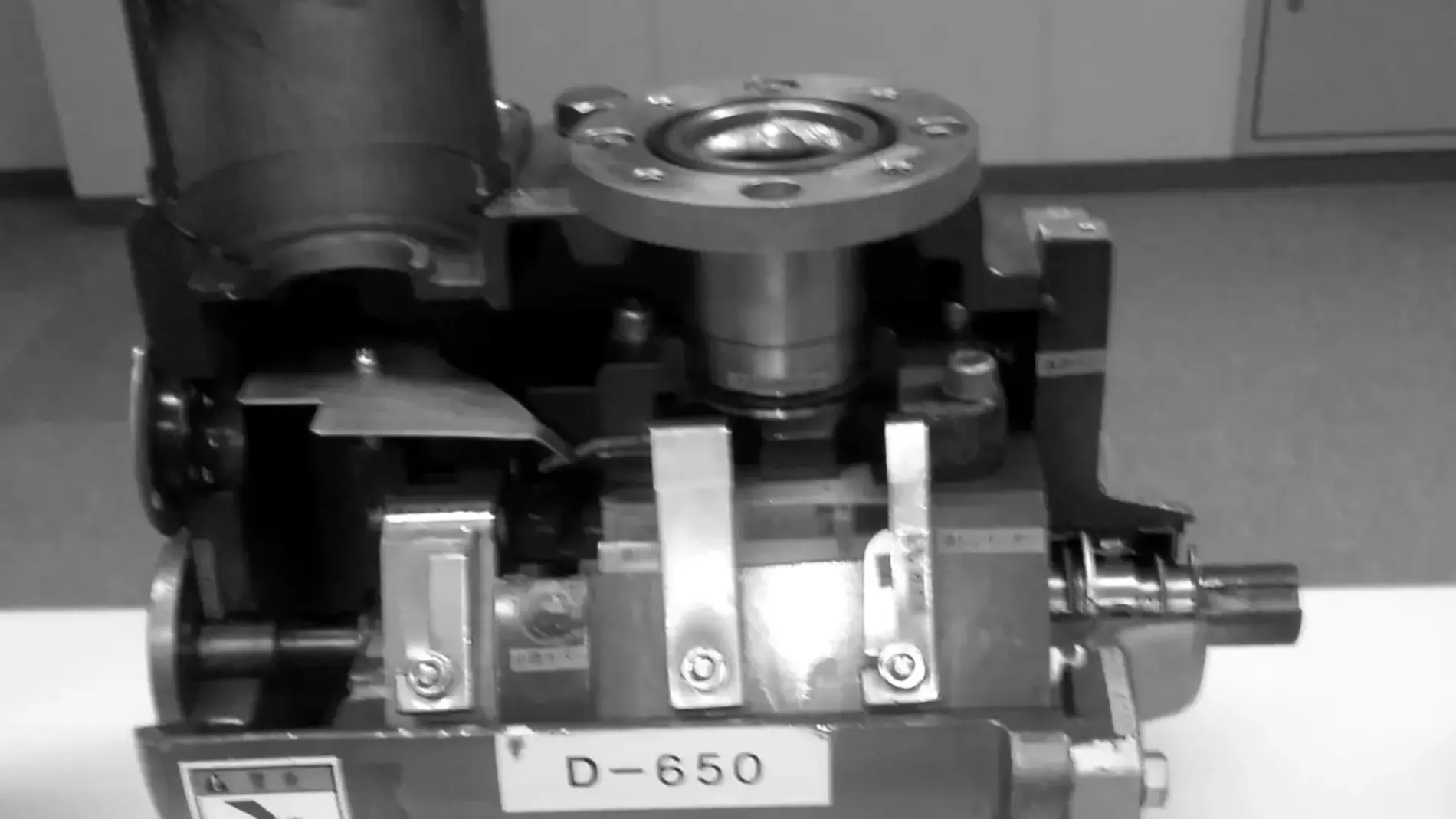
Turn fragmented product data into an enterprise foundation
Viridium connects BOMs, parts, materials, chemicals and packaging data across different systems and data structures, creating a standardized, traceable foundation for product, regulatory and reporting decisions.
Resolve product and material data across systems and business units
Standardize inherited data structures from acquisitions
Connect product bills of materials with packaging weights and composition for PPWR data preparation
Prepare traceable data for Digital Product Passports and emerging reporting needs
Less manual reconciliation, stronger auditability and one connected foundation that supports compliance, cost and design work.
Aerospace & Defense
Where do critical materials originate, and what happens if that source is constrained?
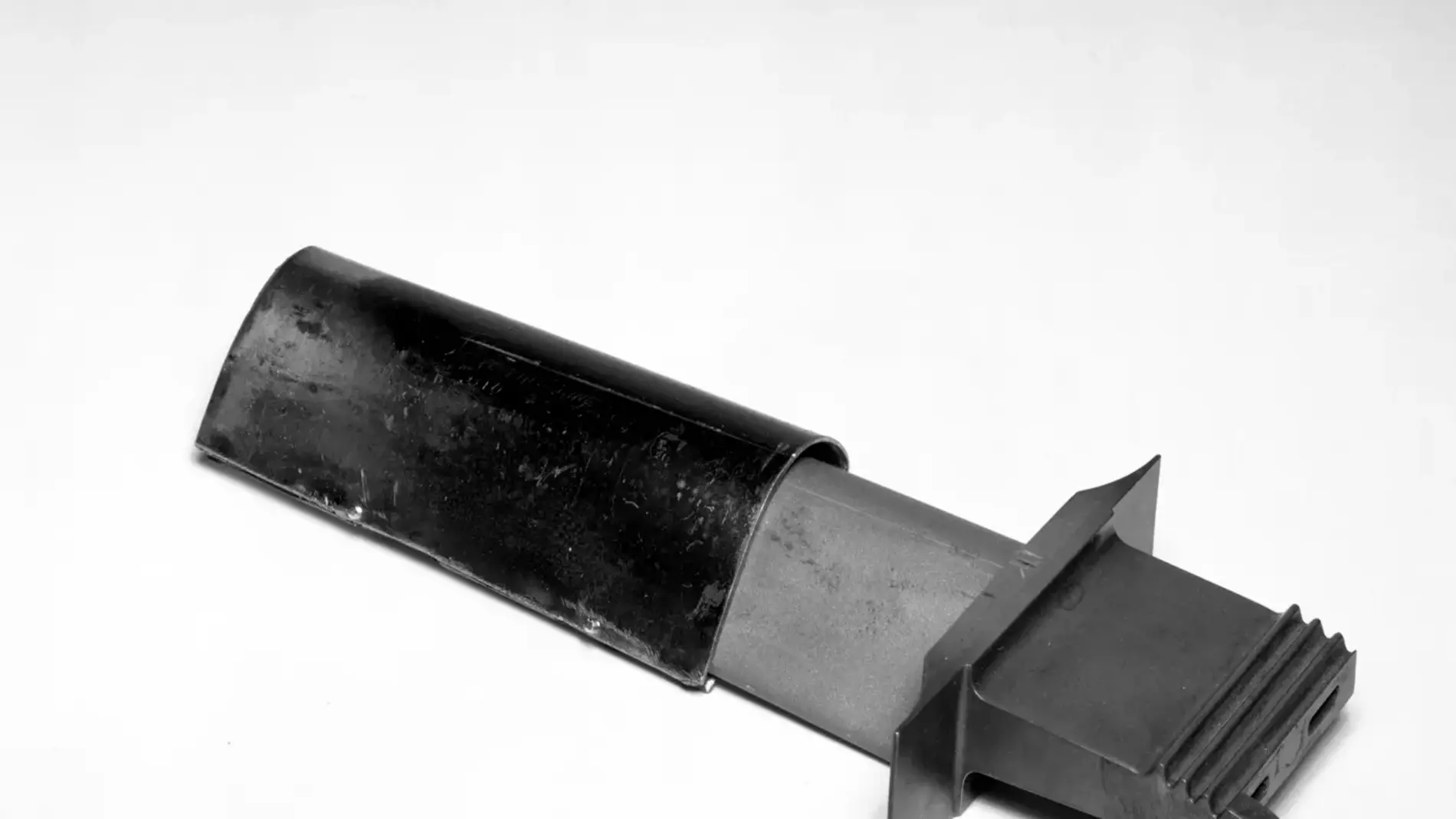
Trace material origin through the product structure
Viridium follows the assembly and part hierarchy in the bill of materials toward raw-material origin, connects supplier and qualification evidence, and makes exposure visible at the program, assembly and part level.
Identify specialty-metal exposure for applicable DFARS sourcing reviews
Trace country of origin and supplier dependencies
Assemble evidence for mitigation decisions
Evaluate alternate sources and qualification paths
A private, evidence-backed view of material and supply risk that supports sourcing, engineering and program decisions.